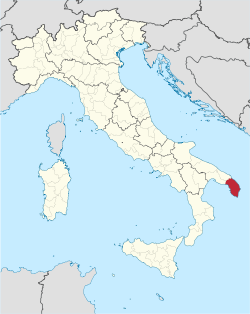
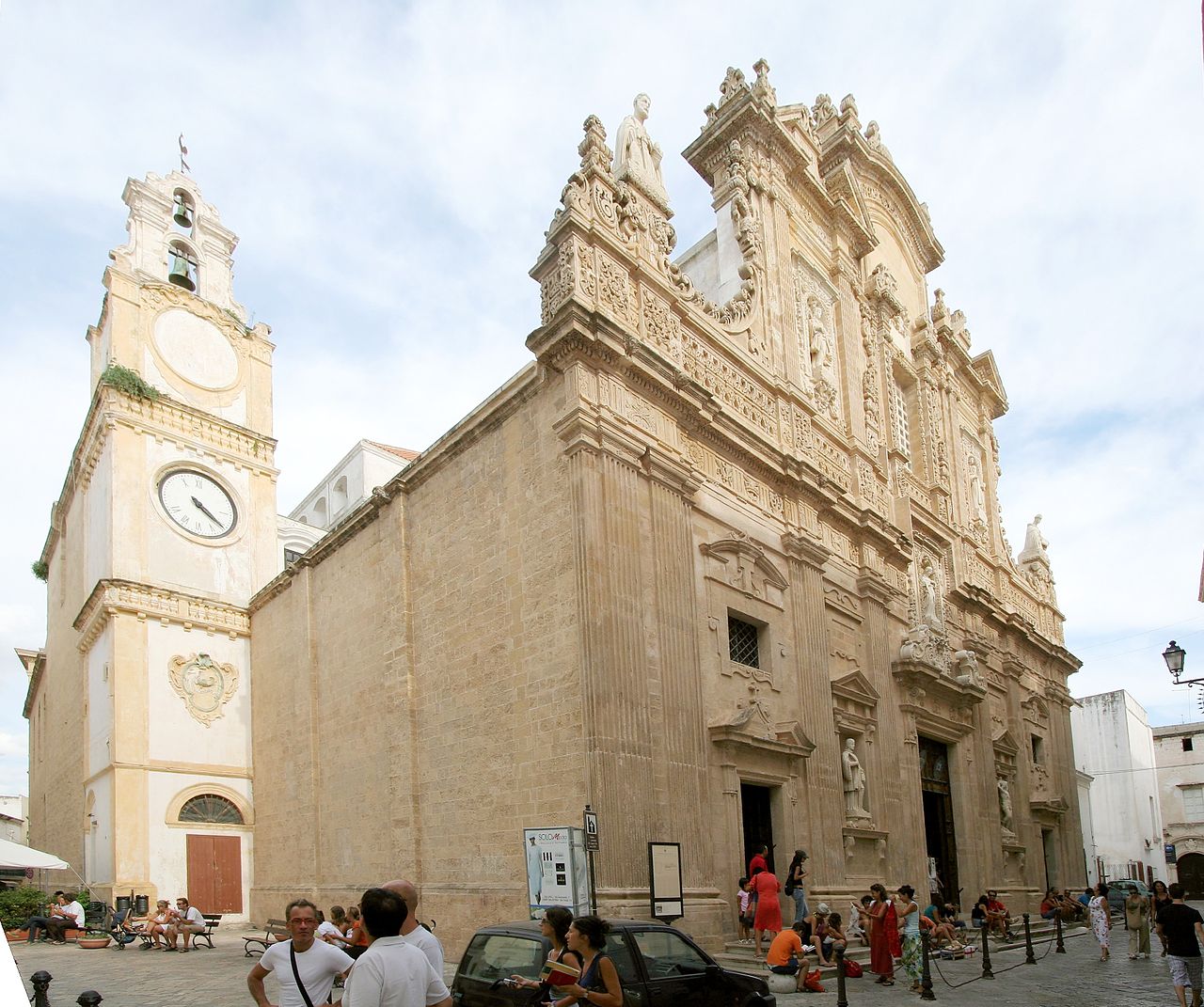
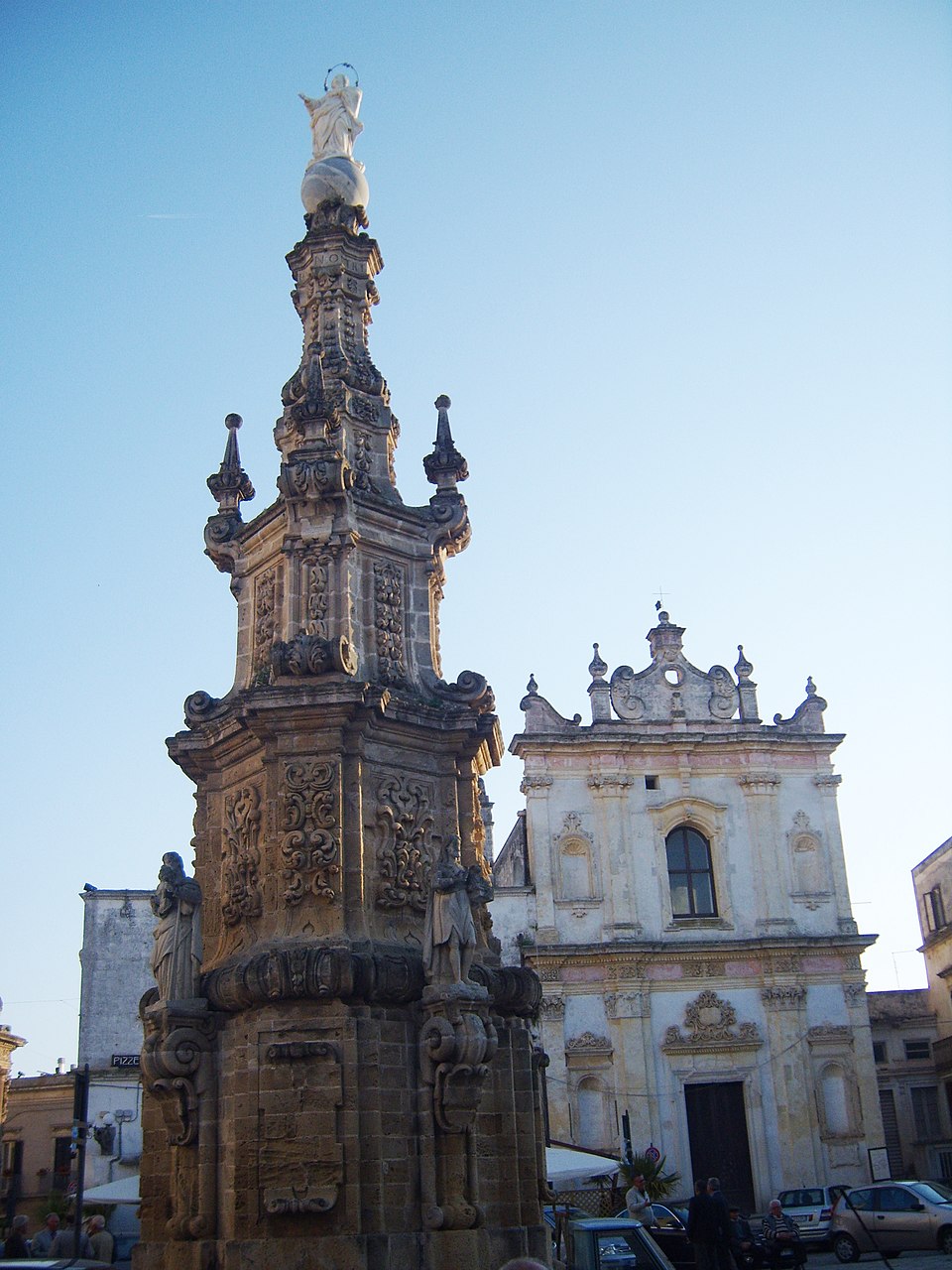
The Province of Lecce is a province in the Apulia region of Italy. Its capital is the city of Lecce. Totally included in the Salento peninsula, it is the second most populous province in Apulia and the twenty-first most populous in Italy.
It has an area of 2,759 km² and a total population of 800.300. There are 98 municipalities in the province: Castro – Gallipoli – Otranto – Maglie – Galatina – Santa Cesarea – Ugento – Lecce – Nardò – Castrignano del Capo – Tricase – Porto Cesareo – Gagliano del Capo – Squinzano – Miggiano – Casarano – Castri di Lecce – Melpignano – Carpignano Salentino – Botrugno – Castrignano de’ Greci – Salice Salentino – Martignano – Melendugno – Copertino – Specchia – Andrano – Galatone – Lequile – Morciano di Leuca – Salve – San Donato di Lecce – Soleto – Spongano – Taviano – Trepuzzi – Tricase – Uggiano la Chiesa – Vernole – Acquarica del Capo – Alessano – Alezio – Alliste – Aradeo – Arnesano – Bagnolo del Salento – Calimera – Campi Salentina – Cannole – Caprarica di Lecce – Carmiano – Cavallino – Collepasso – Corigliano d’Otranto – Corsano – Cursi – Cutrofiano – Diso – Giuggianello – Giurdignano – Guagnano – Leverano – Lizzanello – Martano – Matino – Melissano – Minervino di Lecce – Monteroni di Lecce – Montesano Salentino – Muro Leccese – Neviano – Nociglia – Novoli – Ortelle – Palmariggi – Parabita – Patù – Poggiardo – Presicce – Racale – Ruffano – San Cassiano – San Cesario di Lecce – San Pietro in Lama – Sannicola – Scorrano – Seclì – Senarica – Sogliano Cavour – Sternatia – Supersano – Surano – Surbo – Taurisano – Tiggiano – Tuglie – Veglie – Zollino
The province includes in its territory Grecia Salentina (Salentinian Greece) a Griko-speaking area. Nine towns make part of it: Calimera, Martano, Castrignano dei Greci, Corigliano d’Otranto, Melpignano, Soleto, Sternatia, Zollino and Martignano. In addition to these, there are two more towns represented in the Union of the Towns of Grecìa Salentina (Unione dei Comuni della Grecìa Salentina), Carpignano Salentino and Cutrofiano, though the inhabitants of these two towns have not spoken the Greek dialect in two centuries.
The province of Lecce has its origins in the ancient province of Terra d’Otranto, which was an ancient administrative division of the Kingdom of Naples, consisting of a giustizierato and then converted into a Province of the Kingdom of the Two Sicilies. The Terra d’Otranto included since the XI century the current territories of the provinces of Lecce, Taranto and Brindisi (with the exception of Fasano and Cisternino). Until 1663 it also included the area of Matera (Basilicata). Its capital was at first Otranto, but during the Norman period (XII century) it was replaced by Lecce. After the unification of Italy, the Terra d’Otranto was renamed Province of Lecce, and its territory was divided into four districts: Lecce, Gallipoli, Taranto and Brindisi. His partition began in 1923 when the western part of the Province of Lecce became Province of the Ionian sea (which was to be renamed Province of Taranto in 1951). In 1927 the remaining northern territory, was joined to the Province of Brindisi.
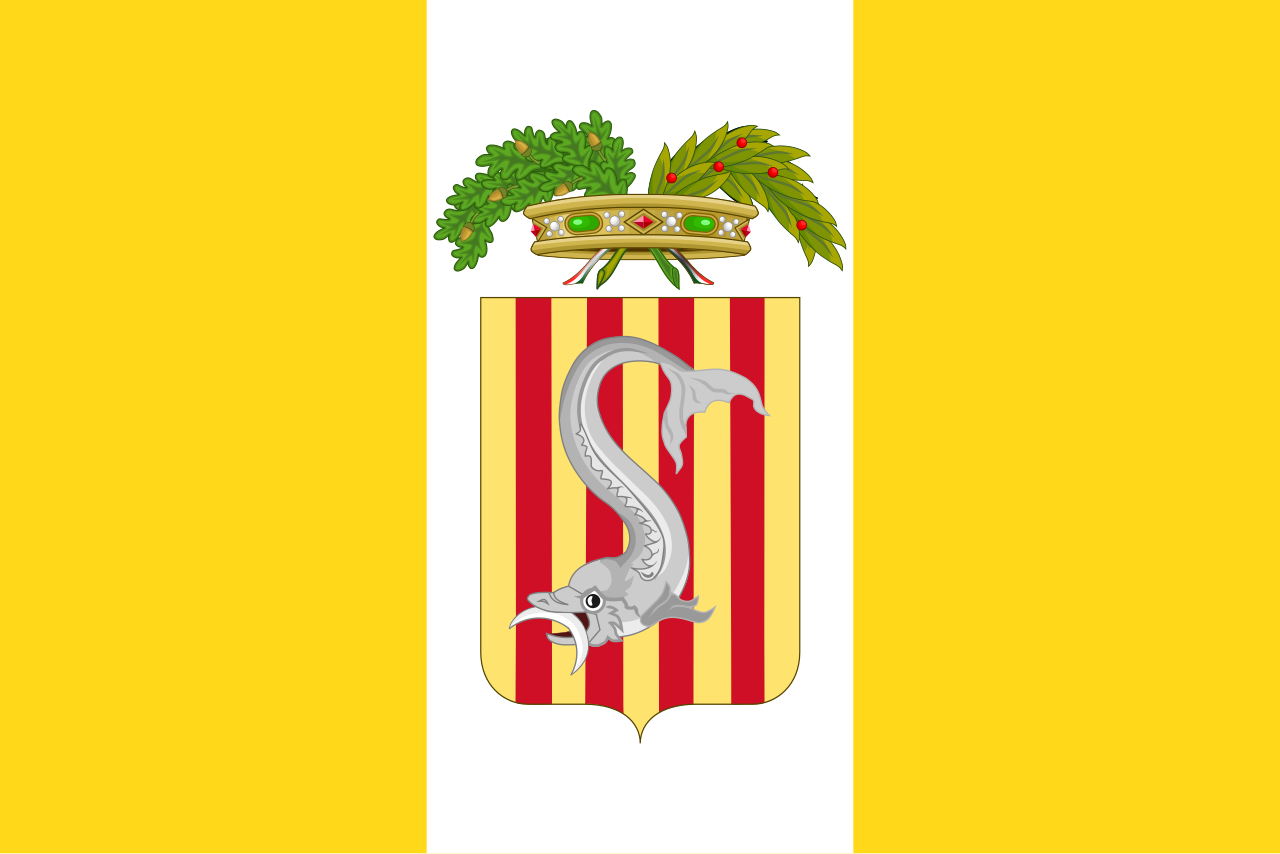
The coat of arms was approved by Decree of the Head of Government on November 30, 1933. It derives from the former coat of arms of the Terra d’Otranto, which in turn derived from the heraldic shield of the Aragona family, which ruled the territory during the XIV and XV century. According to a legend, the coat of arms, consisting of four red stripes on a golden background, is attributed to Goffredo il Villoso. The legend tells how Carlo il Calvo to reward Goffredo, who had fought heroically at his side, dipped in his blood four fingers and marked Goffredo’s shield. The coat of arms also features a dolphin with a crescent in the mouth. This latter element was added during the XV and XVI century when the Salento fought against the Turks.
The Province of Lecce can be divided into two sections: the sea area (the Ionian and Adriatic coast) and the hinterland which is mainly flat with some scattered hills, whose height does not exceed 200 m.
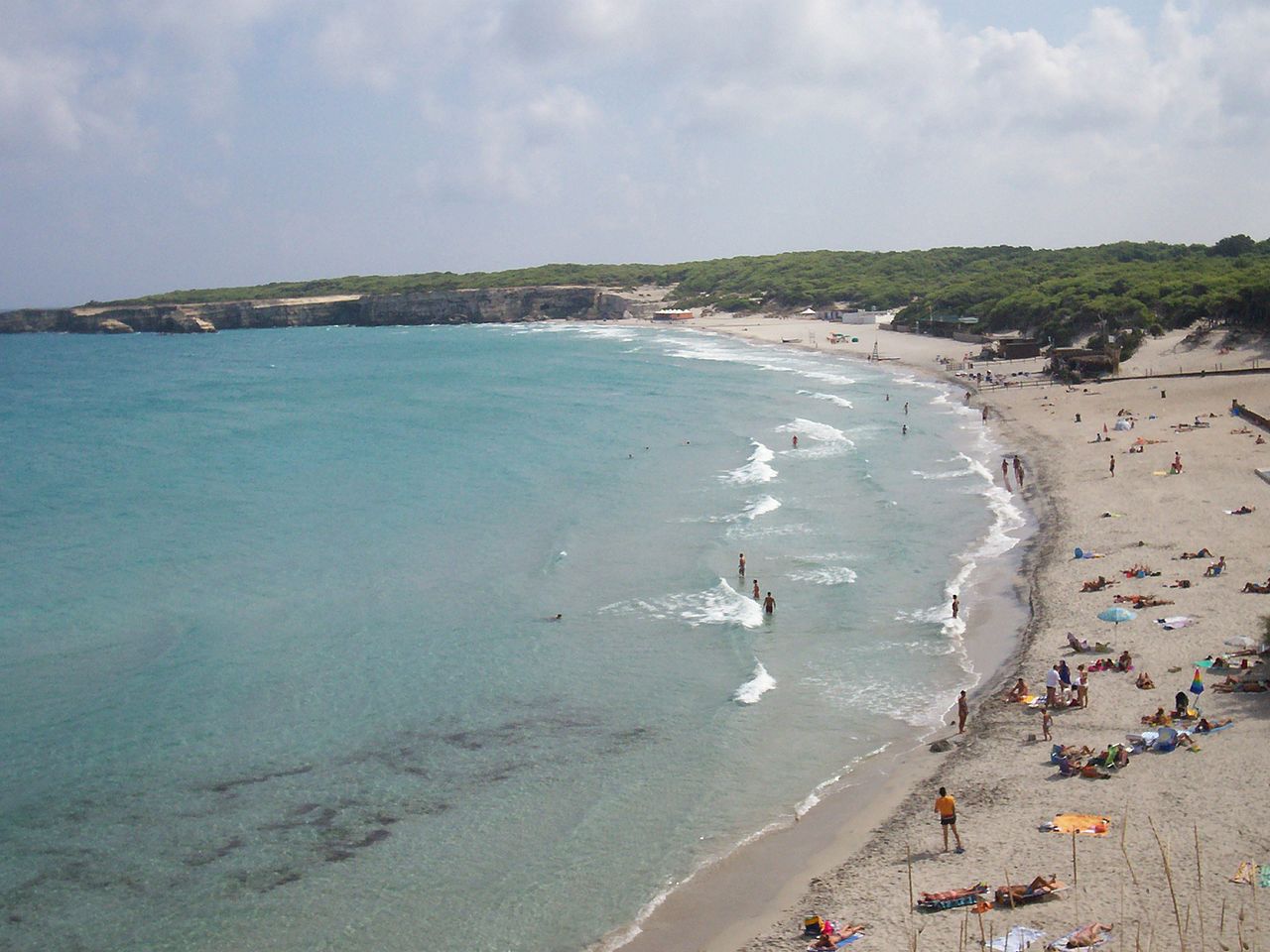
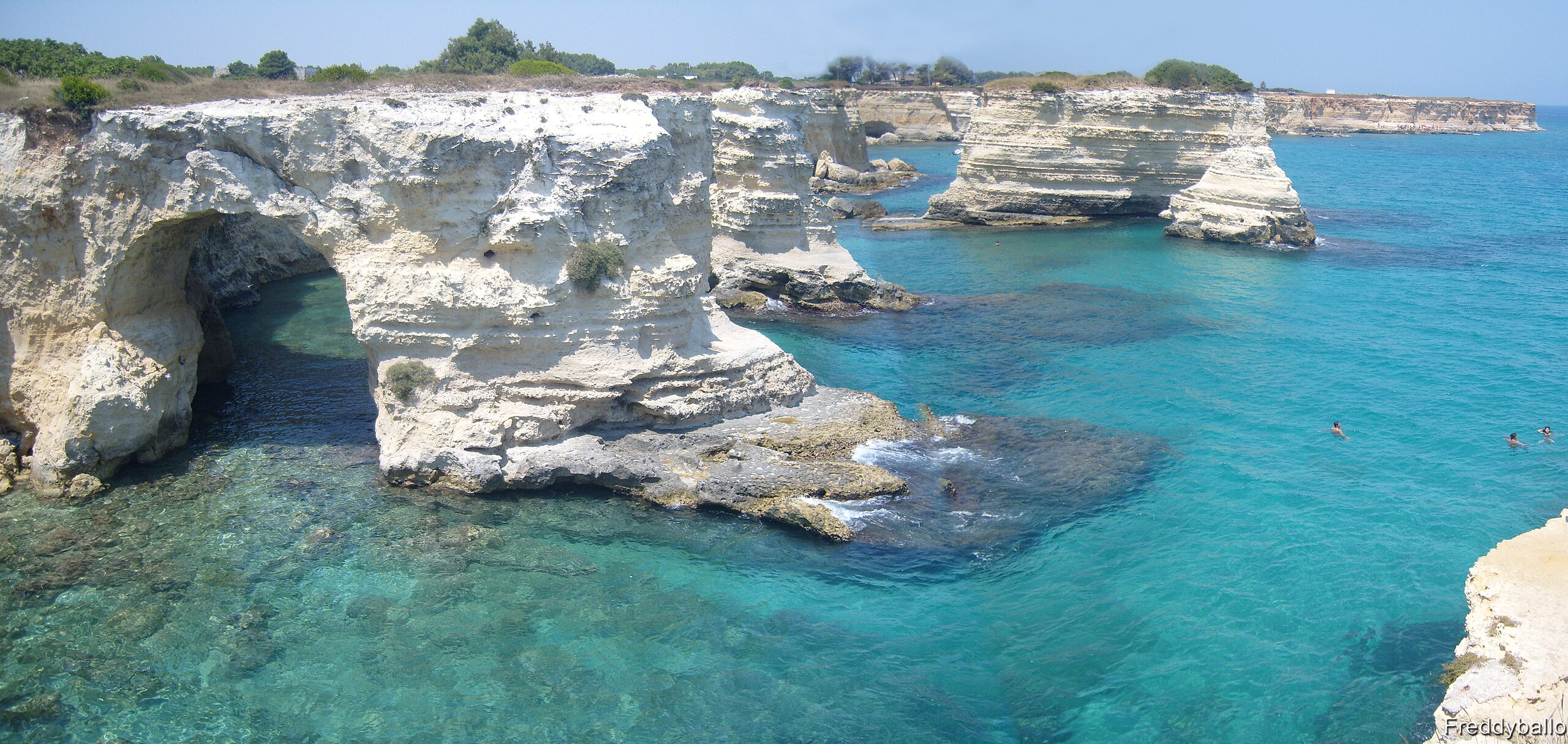
The coastline has a lush Mediterranean vegetation and pine forests. The coast is rocky with high cliffs overlooking the sea, from Otranto to Santa Maria di Leuca (on the Adriatic coast) and from Gallipoli to Nardò (on the Ionian coast). The rest of the coast is low and sandy. In some areas there are dunes and wetlands.
Along the coast it is possible to admire the XVI century towers built by Charles V to defend the Salento territory from Saracens raids (about eighty towers).
The province is also rich of megalithic monuments (dolmens and menhirs), scattered throughout the territory. The dolmens have different construction types. They generally consist of three or four lithic slabs and a capstone. The opening always faces east. Their function it is still uncertain, but the discovery of human bones has led to suppose that they were funerary monuments or sites devoted to sacrificial rites. The menhirs consist of a single rectangular stone (monolith). They often bear engravings or are shaped in particular forms. The orientation of the wider faces, exposed eastward and westward, and their location, may be an evidence of their use for star cults and rituals.
After the advent of Christianity, the Church “Christianize” these monuments carvings crosses or other Christian symbols, and transforms them into “Hosanna”. They then began to become places of pilgrimage, holding religious rituals that currently are still practiced in many places in Salento.